

Article1 min
Zenergi and Climatise announce strategic partnership
Climatise and Zenergi partner to deliver automated carbon accounting to Zenergi's growing portfolio of over 60 UK organisations.
Read insights from Climatise sustainability experts
Climatise and Zenergi partner to deliver automated carbon accounting to Zenergi's growing portfolio of over 60 UK organisations.
How meter and half-hourly data feeds directly into ESOS assessments and carbon reports without a manual layer in between. Recorded 19 August, built for energy brokers and ESOS consultancies.
ESOS Phase 4 runs to a 5 December 2027 compliance deadline and the action plan is now a live deliverable. This webinar walks through the workflow we've built for ESOS service providers.
SECR, ESOS Phase 4 and UK SRS share the same data spine. This webinar shows how to tackle all three obligations in one coordinated workflow.

AI tools help measure emissions, but they have their own carbon footprint. We explore the paradox and offer practical guidance.
Key regulations, data collection routines, and Scope 3 prioritisation to prepare for regulatory changes coming in 2026.

How a Multi-Academy Trust centralised energy data and automated SECR reporting across multiple London schools.

Your baseline may no longer reflect reality. Learn when and why to rebaseline under the GHG Protocol.
Practical strategies for solo sustainability professionals to automate, prioritise, and build the case for software investment.

A "non-substantive" SBTi update on 14 April 2026 quietly lowered minimum near-term ambition. Two ways to read it, and what reporting teams should do now.

Regulatory requirements are expanding. Purpose-built ESG software automates what used to take weeks into an afternoon.
Triggers, policies, and practical examples of structural changes that require recalculating your emissions baseline.

Spreadsheets served their purpose. Here's how to transition to a centralised, auditable carbon accounting system.

Your procurement ledger is a Scope 3 goldmine. Classify spend, apply DEFRA factors, and identify hotspots in days.
How organisations use existing financial data to identify Scope 3 hotspots and build a credible baseline in weeks.
Readiness signals, common adoption mistakes, and practical steps to get your organisation software-ready in 3-6 months.
UK SRS will replace SECR with broader requirements. This webinar covers the transition timeline and how to prepare now.
.jpg)
The EU is scaling back CSRD scope. We weigh the case for simplification against the risk of watering down ambition.

CSRD applies to UK businesses with EU operations. Early preparation unlocks capital access, supply chain strength, and cost savings.

Scope 3 often accounts for 70-90% of total emissions. Start with spend-based screening, then systematically improve data quality.

A clear breakdown of the three emission scopes defined by the GHG Protocol and what each means for your reporting.

Criteria-driven 2026 ranking of the 5 best carbon accounting platforms for UK organisations covering SECR, PPN 06/21, NHS Net Zero and ESOS.

Criteria-driven 2026 ranking of the 5 best ways to deliver ESOS Phase 4: a purpose-built platform, a managed consultancy, a carbon platform, ISO 50001 and spreadsheets.

Net zero vs carbon neutral, the SBTi framework, and the practical first steps toward science-based emission reductions.

The world's most widely used greenhouse gas accounting standard — what it covers and why it matters for UK businesses.
From data collection and accuracy to scope definitions and regional regulations — the key hurdles and how technology helps.

Scope 3 reporting has shifted from forward-thinking to essential. Regulatory pressure, investor demand, and competitive advantage drive the change.

An analysis of the Labour government's climate policy — decarbonising electricity by 2030, the National Wealth Fund, and reporting implications.
A practical four-step guide: calculate your baseline, set SMART targets, take action on reduction initiatives, then monitor and adjust.
Common spreadsheet pitfalls in carbon reporting, techniques to streamline data collection, and turning carbon data into actionable insights.
Breaking down the most significant ESG regulatory updates — EU CSRD, UK SRS, SBTi evolutions, and how technology enables efficient compliance.
Why supplier collaboration is the foundation of Scope 3 management — overcoming data barriers and driving value chain accountability.
Identifying the most accessible Scope 3 reduction opportunities, supply chain engagement strategies, and the strategic benefits of early action.
Examining the value proposition of Scope 3 reporting — supply chain reduction potential, revenue impact, and future regulatory risks.
How to efficiently capture, analyse, and report Scope 3 emissions — overcoming data challenges and engaging suppliers for accuracy.
CSRD fundamentals, compliance timelines, impact on financial reporting, and the strategic benefits of early adoption.
How to seamlessly integrate GHG reporting into existing workflows — process mapping, technology platforms, and driving organisational buy-in.

How a Premier League football club measures and reduces their environmental footprint across matchday operations and facilities.
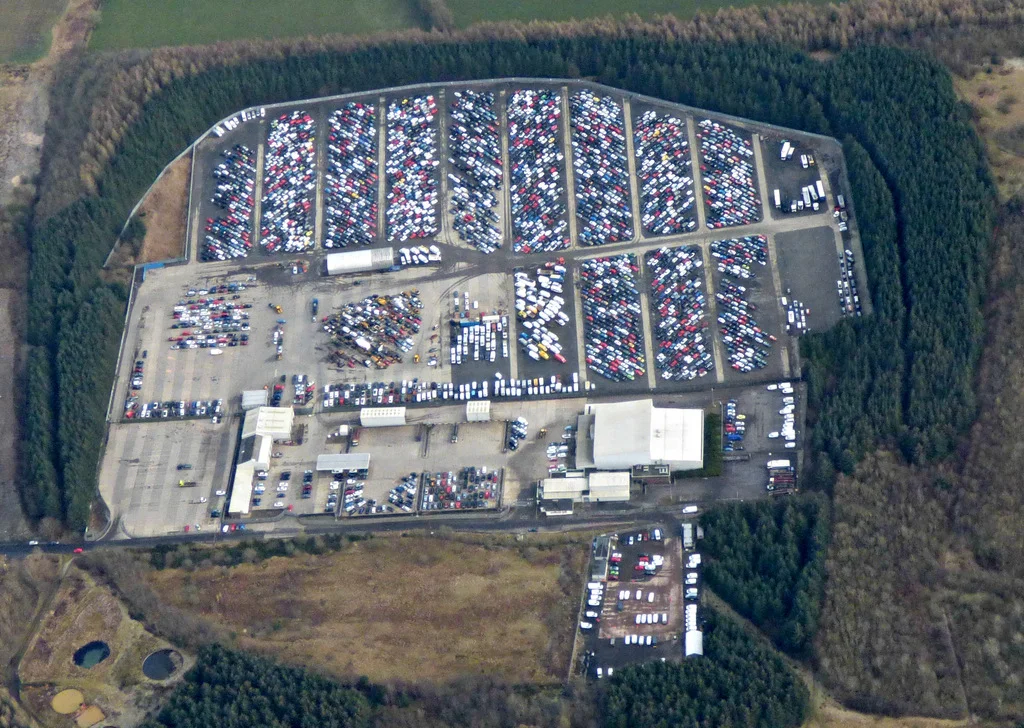
How the global leader in vehicle remarketing consolidated carbon reporting across dozens of UK sites and a large transport fleet.

How one of the world's most iconic recording studios built its first carbon baseline and established sustainability credentials.

How a multi-office property consultancy centralised carbon accounting and captured Scope 3 travel and commuting data nationally.

How a global manufacturer screened all 15 GHG Protocol Scope 3 categories and built a supplier engagement programme.